
Apt Cathedral
This cathedral, also known as Sainte Anne d'Apt, is believed to be built on the site where Saint Auspice was buried.
Discover and book the top Provence sights
This cathedral, also known as Sainte Anne d'Apt, is believed to be built on the site where Saint Auspice was buried.

Beautiful baroque architecture, examples of 17th- and 18th-century frescoes and furniture and a large terraced garden.

The Petit Palais museum owes its name to the familiar name of the Archbishops Palace in which it is installed, name that it was given by reference to the great neighbouring palace: the Palais des Papes.

The synagogue of Carpentras is the oldest synagogue still in activity in France.

The synagogue in Cavaillon is no longer used as a place of worship, but it's on many people's "must visit" lists if you're in the area, thanks to its ornate decoration and fascinating history.

Once connected to the cathedral by a semicircular vaulted corridor, the baptistery is a beautiful building situated in the narrow streets of Venasque.

A great way to discover the religious heritage of the area and a great example of Romanesque architecture.

This old Romanesque style church dates back to the 10th century and was modified in the 12th century. Its austere exterior matches very plain interior decor, very typical to the Romanesque style of the old ages.
This Carthusian monastery heralds back to the 14th century when it was built for Pope Innocent VI. The monastery consisted of a church and three cloisters which made it the largest monastery in France.

The present building is from the 18th century, however there has been a structure here from as early as the 13th century.

With the arrival of French pope Clement V, Avignon was transformed into a religious and artistic centre. The grand Notre Dame cathedral has existed since the twelfth century, but the current building has been subjected to a number of alterations. The eye-catching gold statue of the Virgin Lady on the top of the tower is six metres in height and weighs 4,500 pounds.

This church lies at the centre of what was the old Medieval village of Vaison la Romaine. It was built in the 11th century over the remains of early Christian buildings.

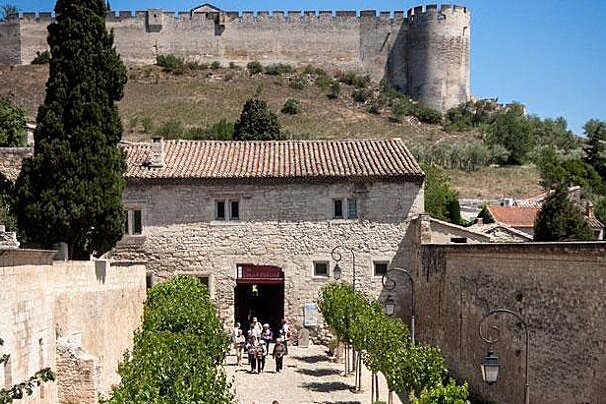
The 14th century Fort St Andre was built by order of the King of France, Philippe le Bel as a mean to keep an eye on the papal city of Avignon. Perched on a hill, this impressive structure contains the ruins of the Abbaye St Andre.

Originally built in 1222 this church was renovated and extended in the Italian Baroque style in the 17th century and was consecrated in 1672 by the Bishop of Cavaillon.
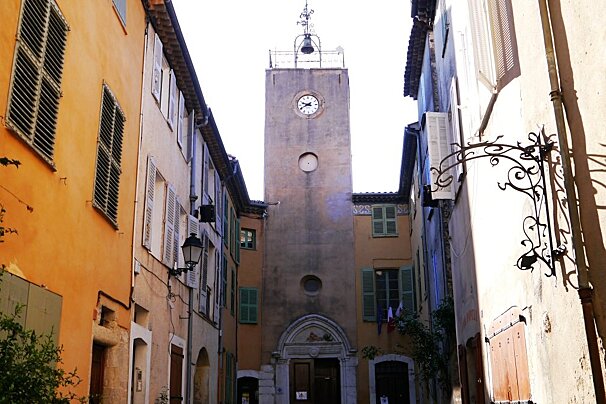
Classified as a historic monument this 15th-century catholic church is located in the heart of the village of Biot.

This magnificent building was built for Pope Benedict III in 1335 as a residence and a 'grand project'. It's the largest Gothic palace in the world (at 15,000 square metres) and is in the top ten most visited monuments in France (over 650,000 visitors per year).

The church of Saint Leger sits amongst the narrow cobbled medieval streets in the very pretty little town that is Seillans.

This large cathedral was originally built in 1096 and has undergone many additions and modifications over the centuries.